

Table of Contents
- What Makes Animation Art Worth Collecting
- 1. Official Brand Stores for Limited Edition Animation Art
- 2. Specialist Galleries and Animation Art Dealers
- 3. Auction Houses for Rare Animation Art
- 4. Collector Communities and Online Forums
- 5. Animation Festivals and Memorabilia Fairs
- Animation Cel Authentication Guide
- How to Preserve Animation Collectables for Long Term Value
- Frequently Asked Questions
Last Updated: September 25, 2026
What Makes Animation Art Worth Collecting
Animation art is original artwork produced during the making of an animated film or series, including hand-drawn cels, character sketches, storyboards and background paintings. For collectors, its value comes from scarcity, provenance and emotional connection. This guide from Roobarb and Custard covers the 5 best places to find rare animation art, from official brand stores to specialist auction houses.
Nostalgia is a powerful driver. A generation that grew up on teatime telly now has the disposable income to chase down the pieces they remember. The wobbly, hand-drawn charm of 1970s British animation holds particular appeal because so little of it was ever sold commercially.
The 5 sources below range from the safest to the most adventurous. Each one suits a different kind of buyer, and knowing which is which saves you money and heartache.
1. Official Brand Stores for Limited Edition Animation Art
Official brand stores are the safest starting point for buying rare animation art. Everything is licensed, the print quality is controlled, and you know exactly what you are getting.
The trade-off is availability. Official runs are often deliberately small, so the "rare" element comes from scarcity rather than age. You are buying a future collectable, not a piece of history.
Roobarb and Custard's own store is a good example of how this works in practice. The Roobarb 'Colour Pop' Limited Edition Mounted Print reproduces genuine behind-the-scenes character sketches and "Full Body Poses" on 280gsm satin white media, presented in an off-white mount board at 40x50cm. It is limited to 100 prints worldwide and costs £75.00. The Custard 'Colour Pop' print follows the same format, showing Custard in "Human Mode" with his signature pink popping against monochrome sketch lines.


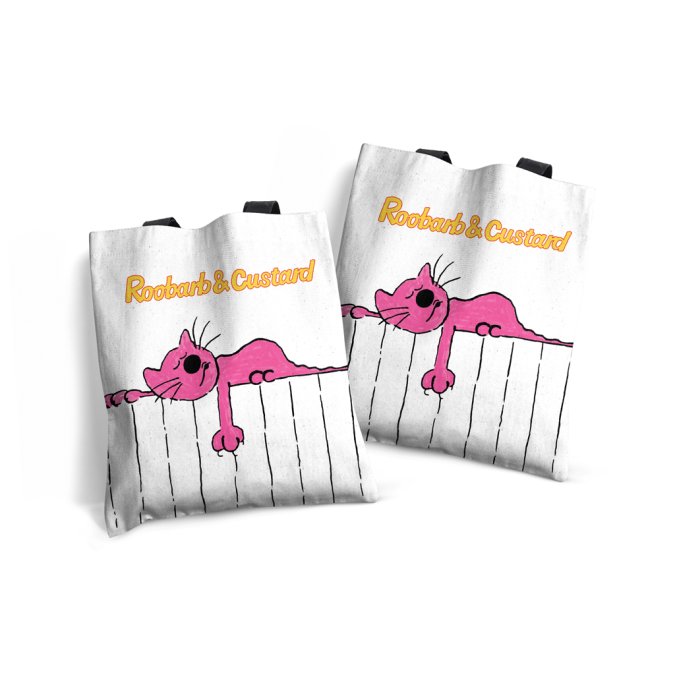
For buyers who want something displayable without the risk of authentication, this route removes nearly all the guesswork. The seller is the rights holder, so provenance is not a question.
2. Specialist Galleries and Animation Art Dealers
Specialist galleries and dealers sit between the retail and auction worlds. They buy, authenticate and resell original production artwork, often with documentation attached.
This is where you find genuine production cels, model sheets and background paintings rather than reproductions. Prices reflect condition and provenance, and a reputable dealer will tell you both.
A common mistake is assuming every "original cel" on a dealer's wall came from a famous studio. Many are from advertising, educational films or regional television, which are perfectly collectable but priced very differently.
Ask three questions before buying: Where did this come from? What documentation accompanies it? What is your returns policy if authentication fails? A dealer who cannot answer all three clearly is one to walk away from.
3. Auction Houses for Rare Animation Art
Auction houses are the best route to genuinely rare animation art, provided you accept the risk that comes with them. You bid against other collectors, and the final price is whatever the room decides.
The upside is access. Studio archives, estate sales and private collections surface at auction in a way they never do at retail. The downside is that condition reports and provenance can be thin, especially for lots described as "attributed to" rather than confirmed.
Set a ceiling before the auction opens and stick to it. Buyer's premiums add a meaningful percentage on top of the hammer price, and postage for framed pieces is rarely cheap. Factor both in before you raise your paddle.
4. Collector Communities and Online Forums
Collector communities and online forums are where the deepest knowledge sits. Members trade, sell and warn each other about fakes, and the collective memory of a niche series often exceeds anything written down officially.
These spaces suit patient buyers. Deals appear quietly, usually to established members first, and newcomers who ask sensible questions earn trust quickly.
What most guides miss is that forums are also the best authentication resource available. Post clear photographs of a piece before you buy it, and someone will usually spot a reprinted line or an anachronistic colour within hours.
Roobarb 'Colour Pop' Limited Edition →
5. Animation Festivals and Memorabilia Fairs
Animation festivals and memorabilia fairs put stock in front of you, which matters more than it sounds. You can inspect paper quality, check ink depth and compare pieces side by side.
Prices at fairs tend to sit between retail and auction. Sellers have overheads to cover, but they also want stock shifted by the end of the weekend, so late-afternoon negotiation is often productive.
Bring a magnifier and a small torch. The difference between an original painted cel and a modern digital reproduction is usually obvious under raking light once you know what to look for.
Animation Cel Authentication Guide
Authentication comes down to materials, line quality and paperwork. Original production cels were painted by hand on acetate, so they show brush texture, slight registration marks and often a faint chemical smell on older pieces.
Reproductions are printed, not painted. Under magnification, printed lines show a dot pattern rather than continuous ink, and the colours sit flat on the surface rather than in a layer of paint.
| What to Check | Original Cel | Reproduction |
|---|---|---|
| Line quality | Continuous hand-inked line | Visible dot or print pattern |
| Paint texture | Raised, brush-marked | Flat, uniform surface |
| Registration holes | Present, often worn | Absent or perfectly clean |
| Paperwork | Studio or dealer provenance | Usually none |
For pieces where significant money is at stake, an independent written valuation is worth the fee. It protects you at resale and settles disputes before they start.
How to Preserve Animation Collectables for Long Term Value
Preservation determines whether animation collectables hold their value or quietly deteriorate. Light, heat and humidity do most of the damage, and all three are controllable.
Keep artwork out of direct sunlight, ideally in a room that stays between 18°C and 22°C with stable humidity. Ultraviolet-filtering glass is a sensible upgrade for anything framed and displayed.
Store unframed pieces flat in acid-free sleeves, never rolled and never stacked under weight. Acidic paper and cardboard leach into artwork over time, which is why cheap storage is a false economy.
For wearable collectables such as the Roobarb Style Sheet Animator Notes T-Shirt, the care instructions matter more than most owners realise. Wash inside-out on a low temperature and iron on the reverse to keep the printed animator notes crisp. The same applies to the Custard Style Sheet Premium Organic Hoodie, which should never be tumble dried.

Finding rare animation art is really a question of matching your appetite for risk to the right source. Official stores and galleries offer certainty; auctions and forums offer access. Wherever you buy, the pieces that hold their value are the ones with documented provenance and careful storage behind them. Roobarb and Custard exists for collectors who want that certainty from the start, with officially licensed limited edition prints capped at 100 worldwide, character artwork printed on 280gsm satin white media, and a curated range of apparel and homeware that celebrates the wobbly magic of classic British animation. Get started with Roobarb and Custard and build a collection you can display with confidence.
Frequently Asked Questions
How can I verify the authenticity of animation cels?
Check for a certificate of authenticity from the studio or a reputable dealer. Look for production numbers, animator notes, and original studio markings. For limited edition prints, verify the edition number and check the seller's reputation. Ask for provenance details and compare the cel's line work and paint style to known authentic examples from the same production.
What is the difference between a production cel and a limited edition cel?
A production cel is a hand-painted sheet used in the actual filming of an animated scene. It often shows signs of wear and has a unique production number. A limited edition cel is created later for collectors, usually in a set number, and is not used in the original animation. Production cels are generally rarer and more valuable.
Are animation cels a good long-term investment?
They can be, but returns vary. Authentic production cels from iconic studios and popular characters tend to hold or increase in value, especially if well preserved. Limited edition prints with low print runs, such as a run of 100, can also appreciate. Condition, provenance, and character popularity matter most. Treat collecting as a passion first, not a guaranteed financial plan.
How do I properly store and display rare animation art?
Store art in acid-free sleeves or folders, away from direct sunlight, heat, and humidity. Frame using UV-protective glass and acid-free mounts. For cels, avoid prolonged light exposure to prevent paint fading. Display in a cool, dry room. Rotate pieces on display to limit light damage. Handle with clean cotton gloves and avoid touching painted areas.
Where can I find reputable animation art auctions?
Look for specialist auction houses that hold dedicated animation and entertainment memorabilia sales. Check their catalogues for provenance and condition reports. Online platforms like eBay can work, but vet sellers carefully. Always request a certificate of authenticity and returns policy. For high-value pieces, attend previews in person or ask for detailed photos before bidding.