

Table of Contents
- Why Fragile Collectibles Need Specialist Packing
- The Best Packing Materials for Fragile Items
- How to Ship Collectibles Without Original Packaging
- Double Boxing Fragile Items: Step by Step
- Choosing a UK Courier for Collectibles
- Shipping Insurance for Collectibles: What You Need to Know
- How to Test Whether Your Parcel Is Secure
- Conclusion: Ship Fragile Collectibles with Confidence
- Frequently Asked Questions
Last Updated: October 13, 2026
Why Fragile Collectibles Need Specialist Packing
Fragile collectibles are items whose value depends on arriving in the same condition they left in, which is why learning how to safely ship fragile collectibles matters more than almost any other part of collecting. We pack and post animation memorabilia every week, and the lessons are always the same: a box that survives a warehouse does not always survive a sorting machine.
Standard parcels get thrown, stacked and compressed. Ceramics crack. Corners crush. Paint flakes.
So the goal is simple: build a parcel that can take a knock. Below, we show you exactly how to do that, from materials to courier choice.
The Best Packing Materials for Fragile Items
The best packing materials for fragile items are the ones that absorb shock and stop movement. Bubble wrap, foam, tissue and double-walled boxes do the real work.
You do not need a warehouse of supplies. A small, sensible kit covers almost everything:
- Bubble wrap (small and large bubbles)
- Acid-free tissue paper for painted surfaces
- Packing peanuts or air pillows for void fill
- Corner protectors or rolled card
- Double-walled cardboard boxes in two sizes
- Strong packing tape and a marker pen
Cushioning Options That Actually Protect
Cushioning works by creating a gap between your item and the box wall. Aim for at least 5 cm of padding on every side.
Bubble wrap suits most shapes. Foam is better for heavy pieces. Tissue paper protects paint and print finishes from scuffs. Peanuts fill empty space, but they shift, so use them alongside wrap, not instead of it.
Boxes and Tape: What to Avoid
Avoid thin single-wall boxes, old boxes with crushed corners, and masking tape. They fail at the worst moment.
Never use newspaper as direct wrapping. Ink transfers onto painted surfaces and it compresses to nothing. Skip used boxes that have already been through the postal system, too. Their strength is gone.
How to Ship Collectibles Without Original Packaging
You can ship collectibles without original packaging by wrapping each item individually and building your own protective layers. Original boxes are convenient, not essential.
Here is a common method:
- Photograph the item before packing, for insurance records
- Wrap the item in acid-free tissue first
- Add two to three layers of bubble wrap, bubbles facing inward
- Tape the wrap closed so it cannot unwind
- Wrap protruding parts, such as handles, separately
Wrapping Techniques for Odd Shapes
Odd shapes need extra care because they create pressure points. Fill hollows with tissue so the item cannot flex.
For flat items like prints, sandwich them between rigid card. For figures with thin limbs, wrap each limb with a small strip of bubble wrap before the main wrap. That single step can prevent many breakages.
Double Boxing Fragile Items: Step by Step
Double boxing fragile items means placing the wrapped collectible in a small box, then placing that box inside a larger one with cushioning between them. The inner box holds the item still. The outer box takes the impact.
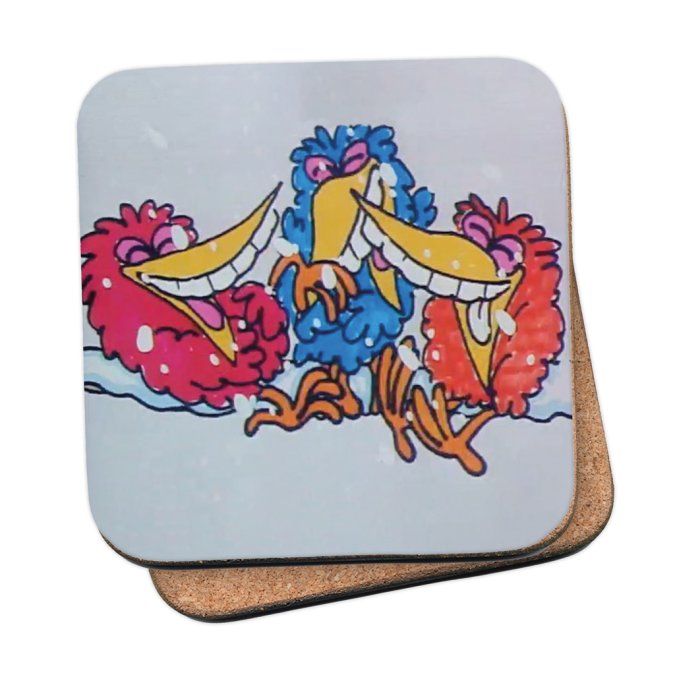
Here is the full process:
- Line the small box with 5 cm of padding
- Place the wrapped item in the centre, away from all walls
- Fill every gap so nothing moves when you shake it
- Seal the small box with tape on all seams
- Add 5 cm of cushioning to the bottom of the large box
- Set the small box inside, centred
- Fill the sides and top, then seal the outer box
Mark the outer box "FRAGILE" and add "THIS WAY UP" arrows. It helps, though it is not a guarantee.
Choosing a UK Courier for Collectibles
Choose a courier that offers tracked delivery, adequate compensation cover and a clear claims process. Price matters less than what happens when something goes wrong.
Compare options on three points:
| What to Check | Why It Matters |
|---|---|
| Compensation cover | Default cover is often low; you may need to add more |
| Tracking | Proof of each scan helps if you claim |
| Prohibited items list | Some carriers restrict ceramics or glass |
Book collection from home where you can. It removes one handling stage, and handling is where damage usually happens.
Shipping Insurance for Collectibles: What You Need to Know
Shipping insurance for collectibles covers loss or damage in transit, but only up to the terms you agree. Read the exclusions before you pay.
Most cover depends on three things:
- Proof of value, such as a receipt or listing
- Proof of packing, which is why we photograph every stage
- A claim filed within the carrier's deadline
Under the Consumer Rights Act 2015, consumer rights on goods and services protects buyers when a retailer arranges delivery. If you are the seller, that responsibility sits with you. Keep your packing photos until the buyer confirms the item arrived safely.
For high-value pieces, consider a specialist collectibles policy rather than standard carrier cover. Standard terms often cap payouts well below what a rare item is worth.
How to Test Whether Your Parcel Is Secure
Test your parcel by shaking it gently and listening. If you hear movement, it is not ready to send.
Run through this checklist before you seal the outer box:
- No sound when you tilt the box
- No movement when you press the top
- At least 5 cm of padding on all six sides
- All seams taped, not just the centre line
- Address written clearly on the box itself
- Photos taken of every packing stage
If it fails any line, open it and add more cushioning. Two minutes now saves a ruined gift later.
Conclusion: Ship Fragile Collectibles with Confidence
Packing well takes a little time, but it is the difference between a gift that delights and a refund request. The right materials, a double-boxed parcel and proper insurance cover most risks.
When you order from Roobarb and Custard, our officially licensed collectables, nostalgic homeware and character apparel all arrive ready to display, and our team is on hand if anything is not right. Get started with Roobarb and Custard and give a classic cartoon the send-off it deserves.
Frequently Asked Questions
How do you pack fragile collectibles for shipping?
Wrap each item in acid-free tissue or bubble wrap, then cushion it with at least 5 cm of packing material on all sides. Use a rigid box and fill any gaps so nothing shifts. For extra protection, double box the item by placing the first box inside a larger one with 8-10 cm of cushioning between the walls. Seal all seams with strong packing tape and label the parcel clearly.
How do you ship collectibles without the original box?
You can ship without the original packaging by creating a custom-fit inner box. Wrap the collectible in soft material, then place it in a small box that allows 5 cm of cushioning around the item. Seal that box, then place it inside a larger shipping box with at least 8 cm of padding on all sides. This double-boxing method protects the item even without the manufacturer's packaging.
Should fragile collectibles be double-boxed?
Yes, double boxing is strongly recommended for fragile collectibles. The inner box holds the item securely with cushioning, while the outer box absorbs external impacts. Leave at least 8 cm of packing material between the two boxes. This method reduces the risk of damage from drops and rough handling, and it is standard practice among serious collectors and auction houses.
Is it worth insuring a fragile collectible before shipping?
Insurance is worth it for any collectible with significant monetary or sentimental value. Standard courier compensation often covers only up to a set amount, so additional cover protects you if the item is lost or damaged. Keep receipts, photos, and a valuation if possible. Check the courier's terms for exclusions, and consider specialist collectible insurance for high-value items.