

Table of Contents
- Vintage Animation Memorabilia vs Modern Toys: Key Differences
- Why Vintage Animation Memorabilia Holds Its Investment Value of Retro Toys
- How to Preserve Animation Memorabilia: Practical Tips for Collectors
- Best Places to Buy Authentic Cartoon Merchandise
- Are Modern Toys Designed to Become Collectables?
- Sentimental Value vs Everyday Functionality
- Making Your Choice: A Decision Framework
- Frequently Asked Questions
Last Updated: September 12, 2026
Vintage Animation Memorabilia vs Modern Toys: Key Differences
Vintage animation memorabilia is merchandise produced during or shortly after a cartoon's original broadcast run, while modern toys are items manufactured today for current retail. At Roobarb and Custard, we see this distinction play out daily: collectors want the genuine article, not a reproduction. The two categories differ in materials, design intent, and long-term value.
Materials and Build Quality
Older memorabilia often used die-cast metal, rigid PVC, and printed tin. These materials age visibly, and that ageing is part of the appeal. Modern toys lean toward moulded plastic, which is cheaper to produce but rarely develops the same patina.
Build quality in vintage pieces reflects manufacturing runs that were smaller and less automated. You can often feel the difference in weight alone.
Design and Play Value
Design priorities have shifted. Vintage merchandise was made to be handled, displayed, and used. Modern toys are frequently designed around safety regulations, licensing agreements, and shelf appeal.
Play value is subjective. A child today wants interactivity; a collector wants authenticity.
| Factor | Vintage Animation Memorabilia | Modern Toys |
|---|---|---|
| Typical materials | Die-cast metal, tin, rigid PVC | Moulded plastic, vinyl |
| Production scale | Small, limited runs | Mass-produced |
| Primary purpose | Display and everyday use | Play and retail |
| Ageing behaviour | Develops patina | Stays uniform |
Why Vintage Animation Memorabilia Holds Its Investment Value of Retro Toys
Scarcity drives the investment value of retro toys. Items produced in limited quantities, then discarded by their original owners, become harder to find with each passing year. That supply constraint does more for value than any marketing campaign.
Condition matters enormously. An item still in its original packaging commands far more than a loose equivalent.
Demand is generational. Adults who grew up watching a series often seek out the merchandise decades later, which creates a second wave of interest. This is why nostalgia-driven categories tend to hold steady rather than spike and collapse.
How to Preserve Animation Memorabilia: Practical Tips for Collectors
Preservation comes down to controlling light, temperature, and handling. Ultraviolet light fades printed colours faster than almost anything else, so keep displays away from direct sun.
- Store items in acid-free boxes or archival sleeves
- Keep display rooms between 18°C and 22°C
- Maintain relative humidity below 50%
- Handle items with clean cotton gloves
- Avoid direct sunlight and halogen spotlights
- Dust with a soft, dry brush rather than cloths
Best Places to Buy Authentic Cartoon Merchandise
The most reliable source for authentic cartoon merchandise is the official brand shop. Official retailers hold the licence, so the design, materials, and print quality are verified rather than guessed at.
Marketplaces carry risk. A seller may describe an item as official when it is a reproduction, and photographs rarely reveal the difference. If you buy second-hand, ask for provenance: original receipts, packaging, and manufacturing marks.
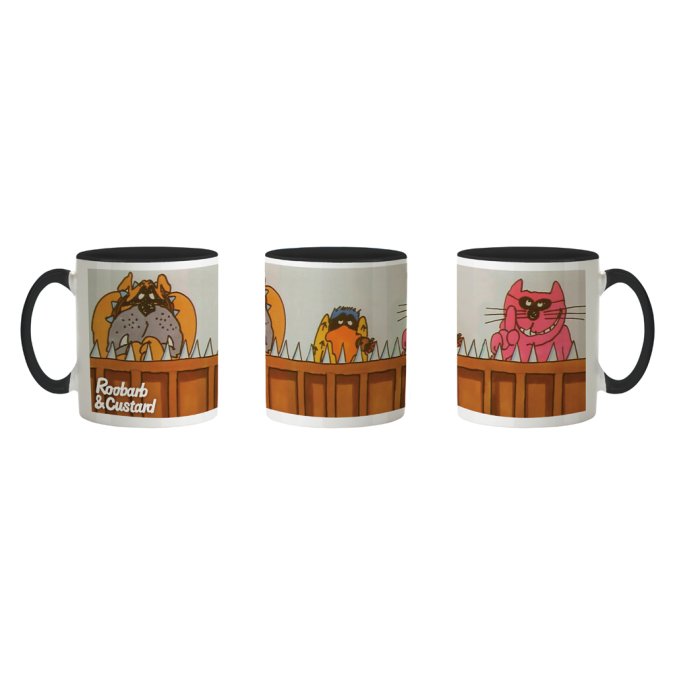
For current fans, buying direct removes the guesswork entirely. At Roobarb and Custard, every item is officially licensed, from the Roobarb & Custard Mug - 11oz Ceramic Retro TV Gift at £14.99 to the Custard Grid T-Shirt at £19.99.


Are Modern Toys Designed to Become Collectables?
Some modern toys are built with collectors in mind, but most are not. Limited editions, numbered runs, and anniversary releases do create secondary markets. The difference is intent: vintage items became collectable by accident, while modern collectables are often planned that way from the start.
That planning can work against value. When a manufacturer produces a "limited" run of tens of thousands, scarcity is manufactured rather than genuine.
Modern toys still have a place. They are affordable, safe, and easy to replace. They simply occupy a different category from vintage animation memorabilia.
Sentimental Value vs Everyday Functionality
Sentimental value and everyday functionality pull in opposite directions. A vintage piece in pristine condition is best left on a shelf. A modern mug or sweatshirt is made to be used.
This is where the two categories stop competing. If you want something to drink your tea from, a modern item wins outright. If you want something to pass down, vintage wins.
The Roobarb Grid Sweatshirt at £29.99 sits in both worlds: officially licensed, built from organic cotton, and designed to be worn rather than stored.
Making Your Choice: A Decision Framework
Use this framework to decide which category fits your goal.
| Your Goal | Choose | Why |
|---|---|---|
| Daily use | Modern official merchandise | Durable, replaceable, affordable |
| Long-term investment | Vintage memorabilia | Genuine scarcity drives value |
| Gift for a fan | Modern official merchandise | Safe, usable, licensed |
| Display collection | Either, depending on budget | Vintage for prestige, modern for accessibility |
If you are buying to use, buy new. If you are buying to hold, buy old. Most collectors end up doing both, and there is no rule against it.
Frequently Asked Questions
Why is vintage animation memorabilia considered a better investment than modern toys?
Vintage animation memorabilia often holds value because of limited original production runs, cultural significance, and the fact that many pieces were played with and discarded. Modern toys, by contrast, are frequently produced in large numbers and reissued, which limits scarcity. However, not all vintage items appreciate. Condition, rarity, and character popularity matter. For example, a mint-condition Roobarb & Custard piece from the 1970s may appeal to a niche collector base, while a mass-market modern figure might never gain similar status. Always research recent auction results before buying for investment.
How do I verify the authenticity of vintage animation collectables?
Check for original copyright stamps, manufacturer markings, and packaging details. Look for tell-tale signs of age such as slight discolouration or paint wear that is consistent. Cross-reference with collector forums or printed guides. For modern officially licensed merchandise, buy directly from the brand's own shop. For instance, Roobarb & Custard products are sold through their official online store, which guarantees authenticity. If a deal seems too good, it often is. Ask for provenance or receipts when buying second-hand.
Are modern toys designed to become collectables in the future?
Some modern toys are explicitly marketed as collectables, with limited editions and numbered pieces. But most mass-produced toys are not made with long-term value in mind. They may use cheaper plastics or paints that degrade over time. That said, a few modern items do become sought-after, especially if they tie into a cult classic. The key difference is intentionality: vintage pieces became valuable organically, while modern collectables are often planned that way, which can reduce their scarcity appeal.
Where can I find officially licensed merchandise from classic British cartoons?
The safest option is the brand's own official online shop. For Roobarb & Custard, that means visiting roobarbandcustard.com, where you'll find mugs, t-shirts, and sweatshirts with authentic designs. Other reputable sources include specialist retro retailers and official brand concessions at comic conventions. Avoid unverified marketplace sellers unless you can confirm licensing. Official merchandise often carries a holographic tag or a certificate. Buying direct also supports the creators and ensures you get proper customer service.
Does the sentimental value of vintage toys outweigh the functionality of modern alternatives?
It depends on what you want. Vintage toys often carry deep nostalgic weight and can be display pieces that spark conversation. Modern toys, however, are typically safer, more durable, and designed for actual play. If you plan to use an item daily, like a mug or t-shirt, modern officially licensed merchandise offers better practicality. For example, a Roobarb & Custard ceramic mug is dishwasher and microwave safe, while a vintage mug might be fragile. Sentiment and function serve different purposes, so choose based on your goal.
Choosing between vintage animation memorabilia and modern toys comes down to what you actually want from the purchase. Roobarb and Custard offers officially licensed merchandise that lets you enjoy the characters today without the fragility or guesswork of the second-hand market. From the 11oz ceramic mug at £14.99 to the organic cotton sweatshirts at £29.99, every piece is built for real life. Get started with Roobarb and Custard and bring a bit of wobbly 1970s charm into your home.