

Table of Contents
- How to Clean Vintage Animation Plastic Figures: What You'll Need
- Safe Cleaning Products for Vintage Toys (And What to Avoid)
- Step 1: Removing Loose Dust and Surface Grime
- Step 2: Cleaning Sticky Plastic Toys Without Damaging Them
- Step 3: How to Clean Painted Plastic Figures and Decals
- Step 4: Drying and How to Store Vintage Animation Figures
- Conclusion: When to Leave a Vintage Figure Alone
- Frequently Asked Questions
Last Updated: October 7, 2026
How to Clean Vintage Animation Plastic Figures: What You'll Need
Learning how to clean vintage animation plastic figures comes down to one rule: gentle beats strong. Old plastic scratches, paint lifts and decals peel far more easily than most people expect, so the tools matter as much as the technique.
Here is what to gather before you start:
- Two soft microfibre cloths, kept separate
- A soft makeup brush or clean paintbrush
- Cotton buds for tight corners
- Mild washing-up liquid, diluted in lukewarm water
- Distilled water for the final wipe
- A clean towel for air-drying
- Nitrile gloves to keep skin oils off the plastic
Avoid anything abrasive: kitchen roll, toothbrushes, bleach sprays and alcohol wipes all cause harm. For background on how plastics age, see the Science Museum guidance on caring for plastics.
Safe Cleaning Products for Vintage Toys (And What to Avoid)
Safe cleaning products for vintage toys are mild, water-based and free of solvents. A drop of washing-up liquid in lukewarm water handles most surface grime, while distilled water removes residue without leaving minerals behind.
What to keep away from your figures:
- Acetone and nail polish remover cloud clear plastic and strip paint instantly
- Bleach and bathroom sprays yellow the surface and weaken the plastic
- Alcohol wipes lift decals and printed faces
- Furniture polish leaves an oily film that traps dust
The British Museum's advice on cleaning objects safely follows the same principle: start with the mildest method and only escalate if needed. Most figures never need anything stronger than soapy water.
Test any product on the underside or back first. Wait 24 hours. Some reactions take time to show.
Step 1: Removing Loose Dust and Surface Grime
Start dry. Dust first, water later, because wiping a dusty figure just grinds grit into the plastic.
Work in this order:
- Brush the figure with a dry soft brush, moving dust away from painted areas
- Use cotton buds for crevices around eyes, ears and joints
- Wipe gently with a dry microfibre cloth
- Check under the base and inside hollow parts
Hold the figure over a clean sheet of paper so you can see what comes off. If the dust is greasy rather than dry, move to Step 2.
A common mistake is pressing hard on stubborn patches. Plastic from the 1970s and 1980s scratches easily, and a scratch cannot be undone. Let the brush do the work, not your hand.
Step 2: Cleaning Sticky Plastic Toys Without Damaging Them
Cleaning sticky plastic toys needs patience, not force. That tacky film is plasticiser working its way to the surface as the material ages, and scrubbing only spreads it around.
Here is the method we recommend:
- Mix one drop of washing-up liquid in a cup of lukewarm water
- Dampen a microfibre cloth, then wring it out until barely wet
- Wipe the sticky area in one direction, turning the cloth as it picks up residue
- Rinse the cloth and repeat until the surface feels smooth
- Finish with a wipe of distilled water
For deep stickiness, repeat over several days rather than scrubbing harder in one session. The film returns less each time.
Step 3: How to Clean Painted Plastic Figures and Decals
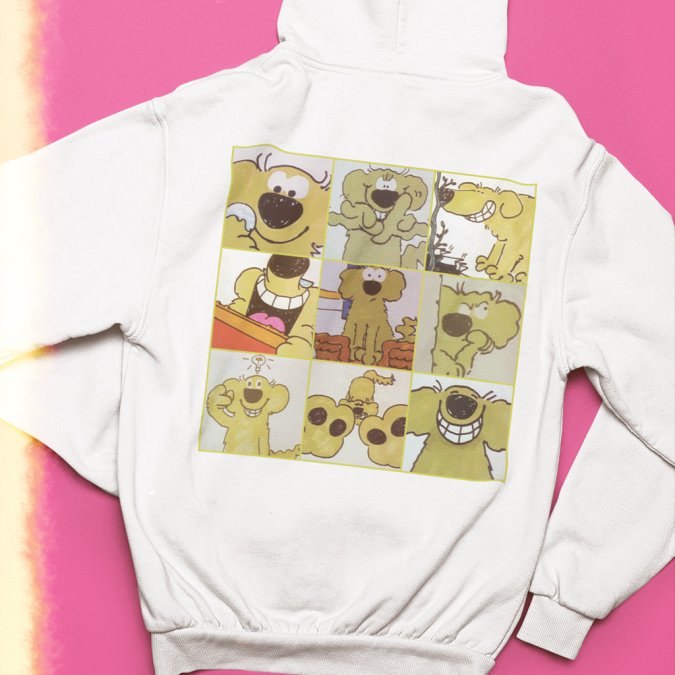
How to clean painted plastic figures comes down to one word: sparingly. Painted faces, eyes and decals sit on top of the plastic, and too much water or pressure lifts them.
Follow these rules:
- Never rub directly across a decal; work around its edges
- Use a barely damp cotton bud, not a cloth, on painted areas
- Blot, do not wipe, if the paint looks thin or chalky
- Stop immediately if colour appears on your cloth
Some paint from this era was never sealed properly. If a decal is already lifting at one corner, leave it alone and store the figure upright so gravity helps hold it down.
For figures with moving parts, keep water away from the joints entirely. A dry brush cleans most joint gaps well enough.
Step 4: Drying and How to Store Vintage Animation Figures
How to store vintage animation figures matters as much as cleaning them. Damp plastic grows mould, and mould stains are permanent.
Drying rules:
- Pat the figure with a clean towel, never rub
- Air-dry on a rack for at least 24 hours before storing
- Keep figures out of direct sunlight while drying
Storage rules:
- Use acid-free tissue or a cotton bag, not cling film
- Keep figures upright to protect decals
- Store in a cool, dry place away from radiators
- Check stored figures twice a year for stickiness or mould
Avoid airtight plastic tubs for long-term storage. A little airflow prevents the trapped humidity that causes problems in the first place.
Conclusion: When to Leave a Vintage Figure Alone
Some figures should never be cleaned, and knowing when to stop is a skill in itself. If paint is flaking, a decal is lifting, or the plastic has cracked, cleaning will make things worse. In those cases, display the figure as it is and handle it as little as possible.
Where cleaning is safe, the method above covers almost every case: dust dry, wipe damp, dry fully, store cool. If you would rather add to your collection than repair it, our Collections Trust guidance on caring for plastic objects is worth a read, and Roobarb and Custard stocks officially licensed collectables, apparel and homeware for fans of classic animation. Every piece is authentic, so you can display your favourites with confidence and pass the nostalgia on.
Frequently Asked Questions
How do you clean vintage plastic figures safely?
Start with the gentlest method: a dry soft brush or microfibre cloth for dust, then lukewarm water with a drop of mild washing-up liquid for grime. Test any liquid on a hidden area first, such as the base or back, and never soak figures for long periods. Avoid alcohol, bleach, acetone and abrasive cleaners, which can strip paint, dull the surface or weaken old plastic.
Can you wash vintage plastic figures with washing-up liquid?
Yes, a small amount of mild washing-up liquid in lukewarm water is one of the safest options for most vintage plastic figures. Dip a soft cloth or cotton bud rather than submerging the whole figure, work around painted details carefully, and rinse by wiping with a clean damp cloth. Dry immediately with a soft towel and let the figure air completely before storing it.
How do you clean a sticky vintage plastic figure?
Sticky residue on old plastic usually comes from plasticiser leaching to the surface. Wash the figure gently with lukewarm water and a drop of mild washing-up liquid, using a soft cloth to lift the film without scrubbing. Rinse with a damp cloth and dry fully. If stickiness returns, repeat the wash rather than reaching for solvents, which can cause permanent damage.
When should you avoid cleaning a vintage collectable?
Skip cleaning if the figure has flaking paint, cracked or brittle plastic, loose joints, or original stickers and decals that are already lifting. On rare or high-value pieces, cleaning can reduce value, so leave them as they are or speak to a specialist conservator. For everyday display pieces, gentle dusting is usually enough.
Caring for older plastic is fiddly work, and finding pieces worth caring for can be harder still. Roobarb and Custard takes the guesswork out of it with officially licensed merchandise, character-led designs and a growing range of collectables, apparel and homeware. Get started with Roobarb and Custard and bring a bit of classic animation back into your home.