

Table of Contents
- What Sets Authentic 70s Animation Figures Apart
- Identifying Bootleg Action Figures: The Warning Signs
- A Vintage Toy Authentication Guide: Markings, Moulds and Materials
- How to Spot Repaints and Restored Figures
- Packaging, Paperwork and Provenance
- Preserving Animation Collectibles for the Long Term
- Official Merchandise vs Vintage Finds
- Conclusion
- Frequently Asked Questions
Last Updated: 2 October 2026
What Sets Authentic 70s Animation Figures Apart
Learning how to identify authentic 70s animation figures starts with one hard truth: most pieces sold as "vintage" are not. The decade's toy production was fast, cheap and inconsistent, which makes genuine items both distinctive and easy to fake. This guide from Roobarb and Custard walks through the checks that matter most.
Authentic 70s animation figures are collectible toys made during the 1970s to tie in with animated television series, and they carry specific marks, materials and paint finishes that reproductions rarely match. That combination is what you are really buying.
The 1970s was a golden era for British animation. Bob Godfrey's wobbly line style defined shows like Roobarb and Custard, and the merchandise that followed reflected that loose, hand-drawn charm.
So what should you look for first?
- Weight and feel in the hand
- Sharpness of the moulded detail
- Colour depth under natural light
- Markings on the base or back
Get those four right and you avoid most mistakes.
The Materials and Manufacturing Methods of the Decade
Toys of this period used hard plastics, often a rigid polystyrene or a softer polyethylene. Both age in predictable ways. Genuine pieces usually show fine surface crazing, a faint yellowing, and seams where two mould halves met.
Reproductions tend to look too clean. The plastic is often uniform in colour with no ageing at all.
Why the Wobbly Animation Style Matters for Authentication
The wobbly animation style is the loose, hand-drawn look where lines shift and characters seem to shimmer. It is the signature of 1970s British animation.
Why does that help you? Because authentic merchandise copied the original character art closely. Bootleg makers worked from photographs. Fine details like ear shape, tail curve and eye placement drift when someone copies a copy.
Compare the figure against original animation stills. Small differences in proportion are a strong warning sign.
Identifying Bootleg Action Figures: The Warning Signs
Identifying bootleg action figures comes down to three things: paint, moulding and proportion. Bootlegs fail on at least one of them, usually all three.
Common warning signs include:
- Paint that sits too thick or too glossy
- Colours that are slightly off, especially greens and pinks
- Soft, blurry moulded detail
- Limbs that are too long or a head that is too small
- No manufacturer mark anywhere on the piece
- A base that looks sanded or scratched
Paint, Moulding and Proportion Clues
Genuine factory paint was applied by hand or by simple spray. It chips at the edges and fades unevenly. Repaints sit on top of the original surface and fill in fine detail.
Hold the figure at eye level under a lamp. Run your thumb over the paint line. A ridge means a repaint.
A Vintage Toy Authentication Guide: Markings, Moulds and Materials
This vintage toy authentication guide focuses on the marks that factories left behind. They are the single most reliable evidence you have.
Reading Manufacturer Marks and Country of Origin
Look for a maker's name, a mould number and a country of origin. These are usually stamped or embossed on the base, the back of the head, or inside a leg.
What to check:
- Is the text crisp or soft?
- Is the font consistent with the period?
- Does the country of origin match the era?
- Is the mark in the right place for that maker?
Soft, shallow lettering is a red flag. Genuine stamps were cut into the steel mould, so they stay sharp.
| Check | Genuine Sign | Warning Sign |
|---|---|---|
| Base mark | Crisp, deep lettering | Soft or missing text |
| Plastic | Slight yellowing, fine crazing | Uniform, bright colour |
| Paint | Chips at edges, matte finish | Thick, glossy, no wear |
| Mould seams | Visible, slightly rough | Sanded smooth or absent |
| Weight | Solid, heavier than expected | Light, hollow feel |
How to Spot Repaints and Restored Figures
Repaints are the most common problem in this hobby. A restored figure can look wonderful and still be worth a fraction of an untouched one.
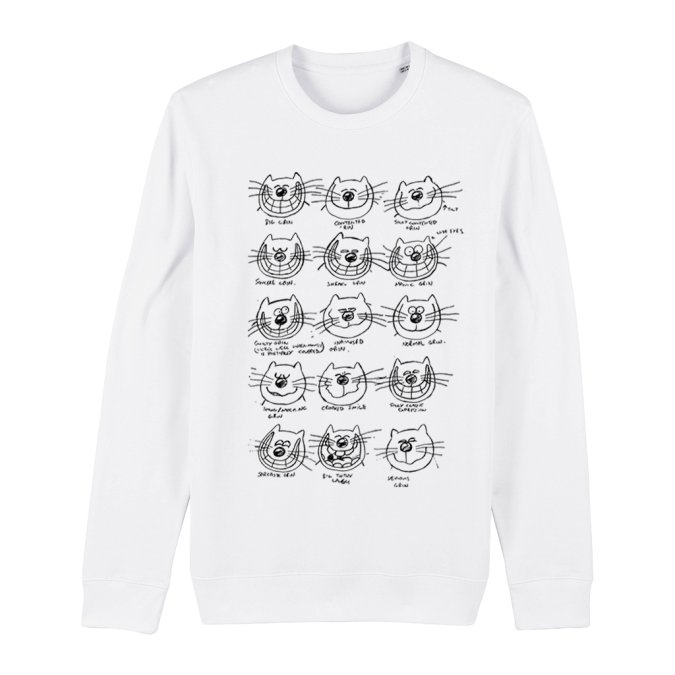
Official Roobarb & Custard "Roobarb Face Style Sheet" Animator Notes T-Shirt →
Use a bright, angled light. Original paint has a dull sheen. Modern acrylic is usually flatter or shinier.
Check the crevices. Paint pools in the gaps between fingers, ears and tails. A cotton bud with a little warm water will lift dirt from a genuine piece. It will not lift factory paint.
Packaging, Paperwork and Provenance
Boxes and paperwork raise value and prove authenticity at the same time. A carded figure with its original backing card is far easier to trust than a loose one.
Look for:
- Print quality and paper stock
- Period-correct logos and typefaces
- A shop sticker or price in pre-decimal or early decimal currency
- Instructions or a small catalogue leaflet
Provenance matters too. A photo of the figure in a childhood bedroom, or a receipt from a named shop, tells a story no reproduction can copy.
Preserving Animation Collectibles for the Long Term
Preserving animation collectibles is mostly about light, heat and handling. Get those three under control and most pieces will outlast you.
Practical steps:
- Keep figures out of direct sunlight
- Store at room temperature, away from radiators and lofts
- Handle with clean, dry hands
- Support loose limbs with acid-free tissue
- Avoid sealed plastic bags, which trap moisture
- Dust with a soft brush, never a wet cloth
Original packaging should be stored flat, in an acid-free sleeve, away from damp.
Official Merchandise vs Vintage Finds
You do not have to own a 1970s original to enjoy this hobby. Officially licensed modern merchandise gives you the same characters, made properly, at a price that makes sense.
At Roobarb and Custard, our range is built around the original animation art rather than a loose interpretation of it. The Roobarb Style Sheet Animator Notes T-Shirt is a good example. It shows the front and side profiles of Roobarb with the studio's own notes, including "Head quite large on body" and "Legs shorter than body".

The Custard Style Sheet Animator Notes Sweatshirt does the same for the pink cat, with his round body and famously short legs. Both are 100% organic cotton, so they wear well and wash well.

That is the real difference. A vintage figure proves you were there. A well-made licensed piece lets you wear the era without hunting for a boxed original.
Conclusion
The hardest part of this hobby is trusting your own judgement when a seller sounds convincing. Slow down, check the marks, and walk away from anything that feels too clean for its age.
When you want the characters without the guesswork, Roobarb and Custard offers officially licensed apparel and collectables built from the original studio artwork. Our range includes detailed animator style sheet designs, soft 100% organic cotton pieces, and gift-ready items for anyone who grew up with the show. Get started with Roobarb and Custard and bring a piece of classic British animation into your home.
Frequently Asked Questions
What are the common signs of a bootleg vintage figure?
Bootleg 70s animation figures usually give themselves away through soft or blurry moulding, paint that sits outside the lines, and colours that don't match the original character palette. Check the base for missing or misspelled manufacturer marks, and look for seams that run awkwardly across the face or limbs. Authentic figures from the decade tend to have crisper detail and consistent weight, while reproductions often feel lighter and use plastic that lacks the slight sheen of period materials.
How do I check for manufacturer markings on 1970s toys?
Turn the figure upside down and examine the base, feet or lower back for a stamped or embossed mark. Most legitimate 1970s toys carry a maker's name, a country of origin and sometimes a year or mould number. Use a torch at a low angle to catch shallow impressions that are hard to see in normal light. If the mark looks etched or painted on rather than moulded into the plastic itself, treat it as a warning sign of a later reproduction.
Do original 70s animation figures have specific plastic textures?
Yes. Figures produced in the 1970s typically use rigid PVC or early ABS plastics with a slightly matte or waxy finish rather than the high-gloss shine common in modern reproductions. Run a fingertip across the surface: authentic pieces feel smooth but not slippery, and edges are usually rounded from decades of handling. A figure that feels unusually slick, smells strongly of chemicals, or has sharp untrimmed flash lines is likely a much newer cast.
How should I store and preserve animation collectibles?
Keep figures out of direct sunlight, which fades paint and yellows plastic, and store them in a cool, dry room away from radiators. Use acid-free tissue or archival boxes rather than cling film, which can trap moisture and leave marks. If you display items, dust with a soft brush instead of household cleaners, and handle them with clean hands to avoid transferring oils. Original packaging should be stored flat in a rigid sleeve to prevent creasing.