

Table of Contents
- Stop Motion vs Cel Animation in British TV: The Quick Comparison
- What Counts as Classic British Children's Television Animation
- How Stop Motion Production Techniques Built the Wobbly Look
- Inside the Traditional Cel Animation Process
- Stop Motion vs Cel Animation: Cost, Time and Crew Compared
- Why 1970s British TV Commissioned Both Styles
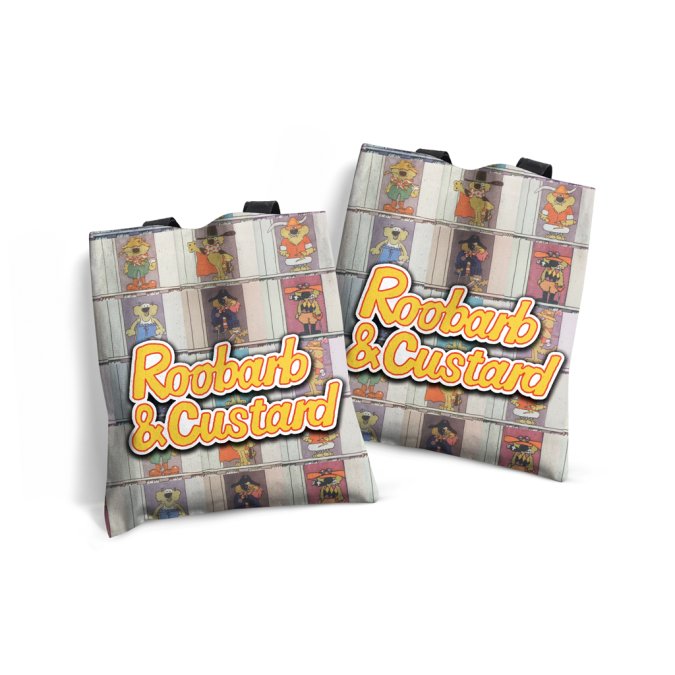
- Bringing the Wobble Home: Merchandise for Fans of Both Styles
- Conclusion
- Frequently Asked Questions
Last Updated: September 28, 2026
Stop Motion vs Cel Animation in British TV: The Quick Comparison
Stop motion vs cel animation in British TV comes down to a simple split: stop motion physically moves real objects one frame at a time, while cel animation draws flat artwork onto transparent sheets and films them in sequence. Stop motion gave television the wobbly charm of shows like Roobarb and Custard; cel animation gave it the clean, fluid lines of Saturday morning cartoons. This guide from Roobarb and Custard breaks down how each method worked, what it cost, and why commissioners wanted both.
The short version: stop motion is slower, more tactile, and ages into a handmade warmth. Cel animation is faster to produce in volume and better suited to long series. Neither was "better." Each solved a different problem for a different kind of programme.
| Factor | Stop Motion | Cel Animation |
|---|---|---|
| Materials | Puppets, clay, models | Cels, ink, paint |
| Look | Wobbly, tactile | Clean, flat |
| Speed | Slow | Faster in volume |
| Best For | Short, character-led films | Long series runs |
| Crew Size | Small, specialist | Larger, divided roles |
| Cost Driver | Time per frame | Labour per cel |
What Counts as Classic British Children's Television Animation
Classic British children's television animation is the handcrafted output of the 1960s to 1980s, made with physical puppets or hand-painted cels rather than computers. It prized invention and personality over polish. A talking green dog building doomed contraptions in his shed fits that tradition perfectly.
Three traits define the era:
- Handmade craft. Every frame was touched by a human hand, whether a puppet was nudged or a cel was painted.
- Distinctive imperfection. The wobble wasn't a flaw. It became a signature.
- Small, inventive studios. Teams worked at a personal scale, which shaped both the humour and the pacing.
What most guides miss is that these weren't competing philosophies so much as two tools in one workshop. Studios picked whichever method suited the script, the budget, and the deadline.
How Stop Motion Production Techniques Built the Wobbly Look
Stop motion production techniques are the manual methods of moving a physical object in tiny increments and photographing each position to create the illusion of motion. The "wobble" comes from small, unavoidable variations between frames, and animators learned to use it rather than fight it.
The core process ran like this:
- Build the puppet or model with movable joints.
- Set the scene and lock the camera in place.
- Nudge the puppet a fraction, then shoot a single frame.
- Repeat, often thousands of times, for a few minutes of screen time.
- Review the rushes and adjust the next day's movement.
That last step is where the character lives. A slightly uneven nudge reads as energy. The physical puppet can't help but feel present in a way a drawing can't.
Inside the Traditional Cel Animation Process
The traditional cel animation process is the assembly-line method of drawing characters on paper, transferring the line art onto transparent celluloid sheets, painting the reverse side, and photographing each cel over a painted background. It split one creative job into many specialist roles.
A typical cel workflow:
- Key animators drew the main poses.
- In-betweeners filled the motion between those poses.
- Inkers traced clean lines onto cels.
- Painters filled the colours on the reverse.
- Camera operators shot each cel over its background, one frame at a time.
The advantage was division of labour. Once the system was running, a studio could produce far more footage per week than a stop motion team. The trade-off was a flatter look: crisp, consistent, but without the physical presence of a puppet. For a British Film Institute overview of animation history, that consistency made cel work the backbone of long-run series.
Stop Motion vs Cel Animation: Cost, Time and Crew Compared
Cost, time and crew are where the two methods diverge most sharply. Stop motion burns money through time: every second of screen time needs many individual photographs. Cel animation burns money through labour: the crew is larger, but the work can be split and repeated.
| Dimension | Stop Motion | Cel Animation |
|---|---|---|
| Time per finished minute | Very high | Moderate to high |
| Crew shape | Small, multi-skilled | Large, specialist |
| Setup cost | Lower to start | Higher to organise |
| Cost per extra episode | Stays high | Falls with practice |
| Reusability | Limited | High, via repeated cels |
A common mistake is assuming cel animation was always cheaper. It wasn't, at first. Setting up an inking and painting department cost real money. But over a 13- or 26-episode run, that setup paid for itself, which is why longer series leaned cel.
Roobarb & Custard "Director's →
Stop motion never got that economy of scale. Each puppet and set was bespoke. Its reward was a look no rival method could copy.
Why 1970s British TV Commissioned Both Styles
Commissioners wanted both styles because they solved different problems. Stop motion delivered distinctive, memorable short films that stood out in the schedule. Cel animation delivered the episode counts that filled a weekly slot without breaking the budget.
The 1970s television landscape rewarded variety. A channel could run a handmade puppet film in one slot and a cel-animated series in another, and both felt native to the schedule. Animation was treated as event programming, not wallpaper.
That era also valued the animator as an author. Small studios with a strong personal style got commissions precisely because their work looked like nothing else. The wobbly look wasn't a limitation to be fixed. It was the selling point.
Bringing the Wobble Home: Merchandise for Fans of Both Styles
Merchandise lets fans of both styles own a piece of the craft. The appeal isn't just nostalgia. It's the chance to hold the physical charm of handmade animation in everyday objects.
For stop motion fans, the character work is the draw. The Roobarb & Custard "Director's Clapperboard" Retro Cork-Backed Coaster (£4.99) captures a behind-the-scenes moment, with Roobarb's green paws snapping a movie clapperboard. It's a 10cm x 10cm square with a non-slip cork base and a wipe-clean top, made in the UK. Small, useful, and quietly full of character.

For those who love the craft itself, the animator style sheet designs are the standout.
Conclusion
Choosing a side in stop motion vs cel animation in British TV misses the point. The era's best work came from animators who understood both and picked the right tool for the job. That same care is what makes the merchandise worth owning today. At Roobarb and Custard, we stock official licensed apparel and homeware that celebrates the wobbly craft, including organic cotton t-shirts, a heavyweight storyboard hoodie, and a UK-made cork-backed coaster.
Frequently Asked Questions
What is the main difference between stop motion and cel animation?
Stop motion photographs physical objects, usually clay or puppets, one frame at a time and moves them slightly between shots. Cel animation draws characters on transparent sheets laid over painted backgrounds, then films them in sequence. Stop motion gives a tactile, wobbly quality because real materials shift under lights and handling. Cel animation produces cleaner lines and smoother movement, which is why it dominated television schedules where high episode counts were needed.
Which famous British TV shows used stop motion animation?
Several well-loved British children's programmes relied on stop motion production techniques. These include shows built around clay characters and miniature sets, where animators moved puppets by hand for every frame. The style suited small studios because it needed limited drawing staff but rewarded patience. Roobarb and Custard, while drawn, carried a similar handmade charm through Bob Godfrey's deliberately loose line work, which is why fans often group it with stop motion classics when discussing 1970s animation.
How does the production process differ between cel and stop motion?
The traditional cel animation process splits work across writers, voice artists, key animators, inbetweeners, inkers and painters, with each frame assembled from layered cels over a background. Stop motion compresses the crew into set builders, puppet makers and a single animator who adjusts and photographs each frame. Cel animation scales better for long series because drawings can be reused. Stop motion takes longer per second of screen time but gives directors direct control over lighting and physical performance.
Why did British television commission both styles in the 1970s?
Broadcasters wanted variety in children's schedules and worked with small independent studios that specialised in one method or the other. Stop motion suited short, atmospheric films and series with strong character design, while cel animation handled longer runs and faster turnaround. Costs, studio capacity and the taste of individual commissioning editors all played a part. The result was a decade where both techniques appeared side by side, giving viewers the mix of textures that still defines classic British children's television animation.
Is stop motion considered more authentic than cel animation in British media?
Many viewers read stop motion as more handmade because they can see the physical craft in every frame, including small imperfections in puppet movement. Cel animation can look equally personal when the drawing style is loose, as with Roobarb and Custard's deliberately wobbly lines. Neither method is inherently more authentic. What matters is whether the technique matches the story. Fans who grew up with both often value each for different reasons, which is why merchandise celebrating either style sells well.